Day: March 1, 2015
Why You Need Baking Soda
Baking soda could very well be the one thing you need in your pantry. It has been shown to fight cancer, stave off colds and flu, and even treat radiation poisoning…all for just pennies a day?
Vernon Johnston has a very important question for you: “do you want to live?” That was the question he asked himself when he was diagnosed with stage IV prostate cancer in 2008.
His answer was a resounding “yes!” Despite the fact that the doctor who diagnosed his cancer told him there were no treatment options, Johnston is still alive today, thanks to sodium bicarbonate, more commonly known as baking soda.
One Man’s “Dance with Cancer”
By the time Johnston’s cancer was diagnosed, it had already spread to his bones. When his doctor delivered the news, Johnston remembers thinking, Stage IV? There is no stage V. But his online research led him to a website promoting the Baking Soda And Cancer Cure.
This became the cornerstone of Johnston’s self-applied treatment program.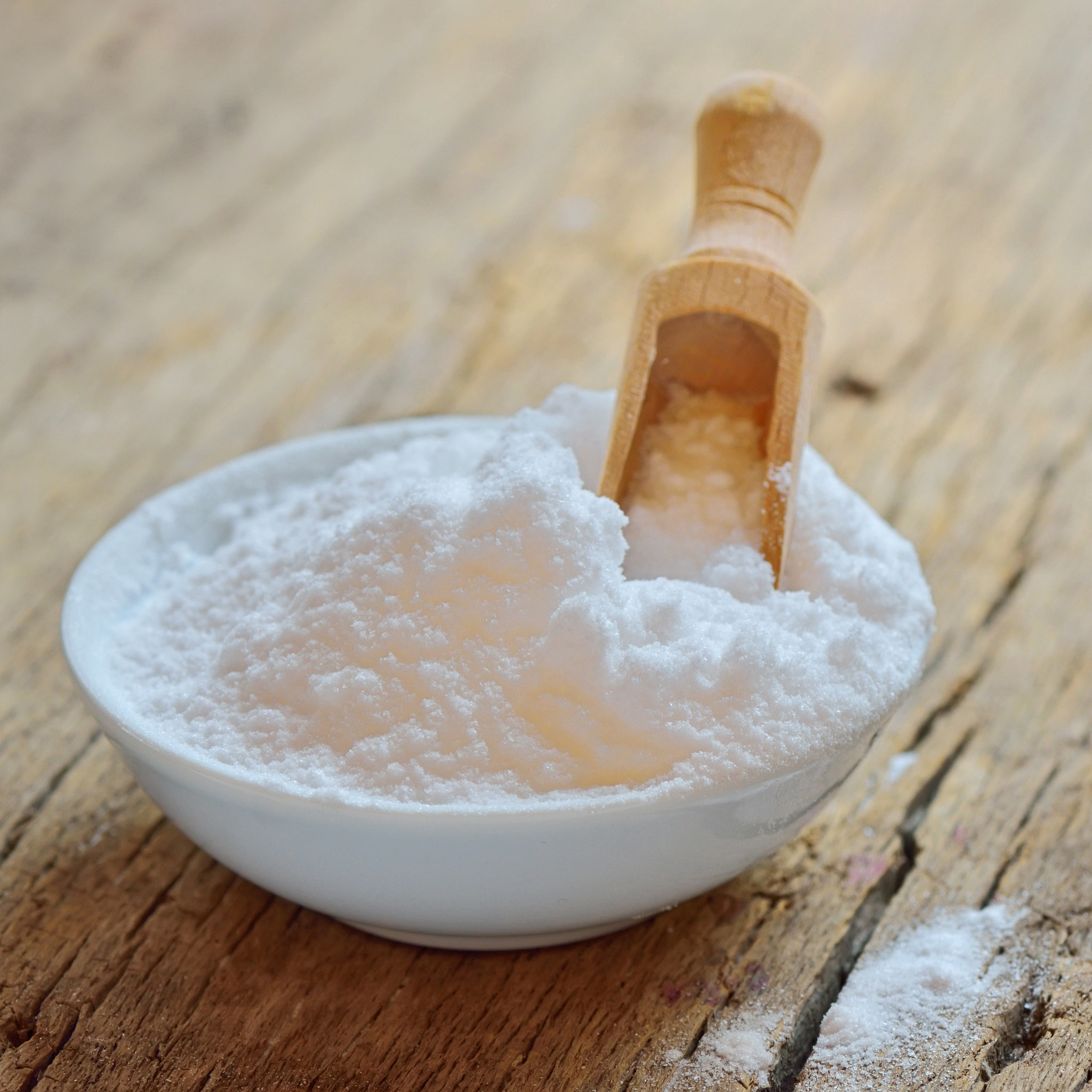
After 10 days of daily dosing with a special baking soda solution, Johnston went in for a second bone scan. After a few days of frantic waiting, the results finally arrived: “No convincing evidence of an osseous metastatic process.” In other words, the baking soda had stopped his cancer.
Stopping Fungus Might Stop Cancer
Two medical pioneers–Mark Sircus, Ac., OMD and Dr. Simonchini, an oncologist in Rome–have conducted compelling research on the potential of baking soda and cancer treatment.
Their groundbreaking work is based the hypothesis that fungal infections and cancer proliferation are connected, and that stopping the fungus can stop the cancer.
According to health writer Mike Adams of Natural News, “Dr. Simonchini “originally made the connection between fungal infections and cancer proliferation. He realized that when a tumor was flushed with baking soda (which is anti-fungal), it shrank and completely disappeared within days.”
Dr. Sircus expanded on this research further, exploring the effects of ingesting baking soda to halt cancer.
Baking Soda for Colds and Flu
Research has shown that baking soda can also be helpful in combating contagious illnesses like colds and flus. With cold weather arriving fast, many are seeking natural alternatives to harsh and ineffective antibiotics and vaccines.
For those who wish to use baking soda for that purpose, experts recommend the following dosage:
Day 1: Consume a total of 6 doses of half a teaspoon of baking soda in 1 cup of water. Take at 2-hour intervals.
Day 2: Continue the same protocol, but reduce to 4 doses.
Day 3: Consume only 2 doses, 1 in the morning and another at night.
Day 4: Continue on day 4 and thereafter with 1 dose in the morning until illness is cured.
The broad spectrum of uses for baking soda serves as a powerful reminder of a commonly overlooked truth about medicine: the simplest solution is often the best one.
Time-tested remedies, like baking soda and cancer, may not be breaking news, but they’re worthy of our attention. After all, the reason they’ve been around for so long is that they work!
Tomatoes can Help Reduce the Risk of Prostate Cancer
What’s the second most common cancer in men worldwide? Prostate cancer… and it’s much more prevalent in developed countries. Experts believe that higher rates of prostate cancer in industrialized nations are partially due to the Western diet and lifestyle. Researchers from the Universities of Bristol, Cambridge, and Oxford recently identified three dietary components that may help slash your risk for prostate cancer.
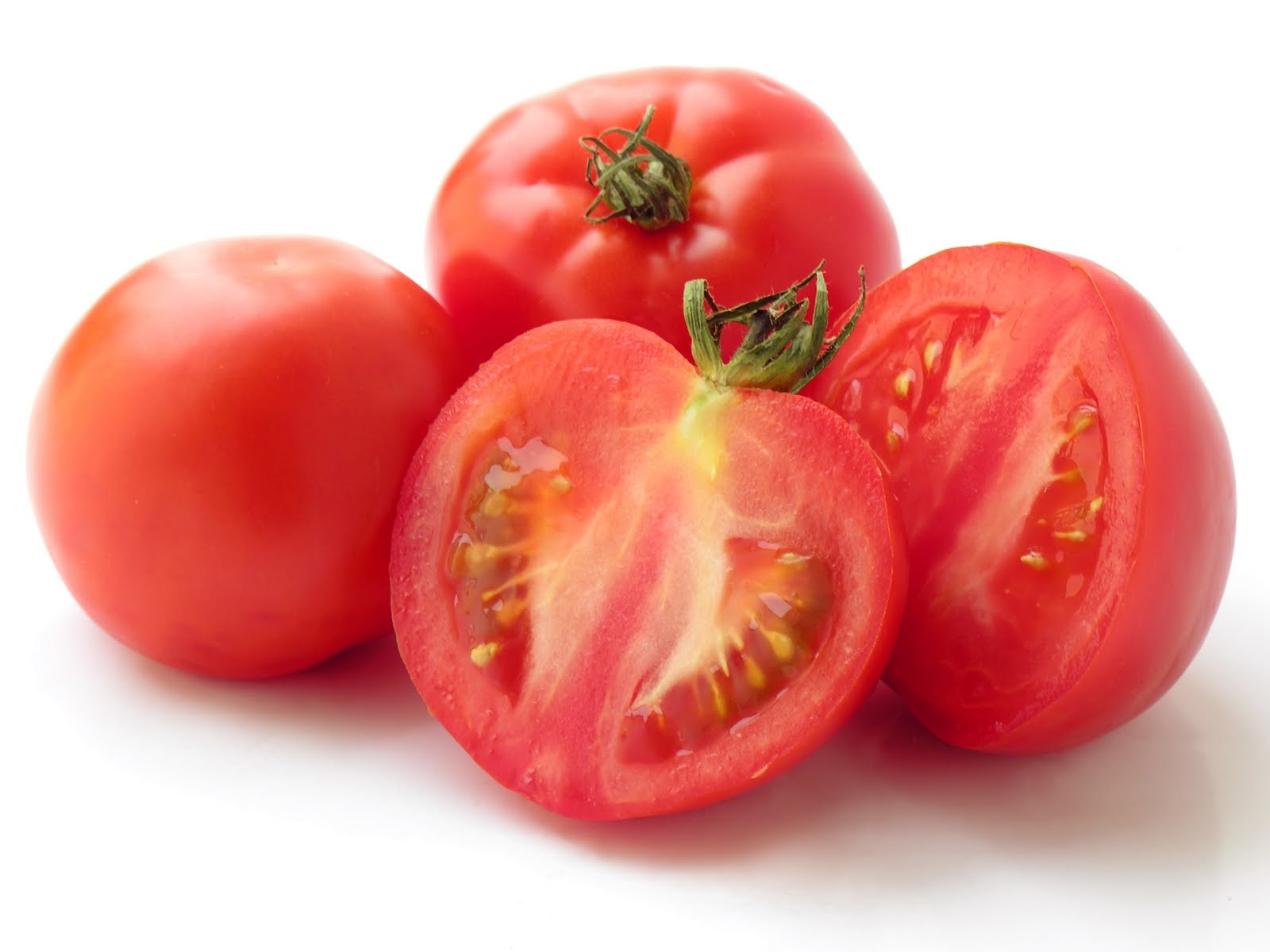
Lycopene, an antioxidant found in tomatoes, stood out as the all-star prostate cancer-fighting nutrient.
10 Tomatoes a Week Keep the Doctor Away!
The study, published in Cancer, Epidemiology, Biomarkers and Prevention, is the first “dietary index” to track dietary components and their effects on prostate cancer. Researchers compared the diets and lifestyle behaviors of 1,806 prostate cancer patients between the ages of 50 and 69 with 12,005 cancer-free men. They discovered that selenium, calcium, and lycopene effectively reduced prostate cancer risk, with lycopene showing the most influence.
| FACT: Men who consumed 10 portions a week of tomatoes or tomato products (like baked beans or tomato juice) had an 18% reduced risk for developing prostate cancer! |
Lead researcher Vanessa Er, from the School of Social and Community Medicine at the University of Bristol and Bristol Nutrition BRU, explains: “Our findings suggest that tomatoes may be important in prostate cancer prevention. However, further studies need to be conducted to confirm our findings, especially through human trials. Men should still eat a wide variety of fruits and vegetables, maintain a healthy weight and stay active.”
Researchers also analyzed lifestyle factors, particularly the anti-cancer lifestyle recommendations for diet, physical activity, and body weight set forth by the World Cancer Research Fund (WCRF) and the American Institute for Cancer Research (AICR). While the suggestions of these two organizations are pertinent to overall cancer prevention, they aren’t targeted at prostate cancer prevention, and researchers determined that only dietary recommendations lowered prostate cancer risk. This study confirms that a high intake of fruits, vegetables, and fiber helps lower your odds of a prostate cancer diagnosis.
The Anti-Cancer Effects of Lycopene
Lycopene is a carotenoid found in fruits such as the tomato, apricot, guava, and watermelon. It has been shown to shield against toxins that damage DNA and cells. Previous studies have shown that lycopene suppresses androgen receptor expression in prostate cancer cells in vitro, and decreases prostate cancer cell proliferation. Lycopene has also been shown to protect against cardiovascular disease and macular degeneration (the primary cause of vision loss in people over 60).
To increase your lycopene consumption, add some tomatoes, grapefruit, asparagus, parsley, and carrots to your diet. You’ll notice the results from the inside out, as lycopene also helps your skin maintain a radiant, healthy glow.
 HealthyDad