health
Nuts Will Keep you Healthier for Longer
If scientists found a way to lower your risk of death from all causes by 20%, that discovery would be immediately broadcast on every major network, newspaper, and online information hub, right? Wrong.

In 2013, researchers form the Dana-Farber Cancer Institute, Brigham and Women’s Hospital, and the Harvard School of Public Health revealed that people who made one simple nutritional choice daily dramatically decreased their risk of death. Their findings, published in the prestigious New England Journal of Medicine (NEJM), showed that by a handful of nuts daily, individuals became 20% less likely to die from any cause over a 30-year period.
In a Nutshell: An Ounce a Day Keeps Death Away
The researchers analyzed data collected from almost 120,000 people over three decades. The information for the analysis came from the Nurses’ Health Study (conducted with 76,464 women between 1980 and 2010) and the Health Professionals’ follow-up study (which included 42,498 men from 1986 to 2010).
Participants in both studies filled out detailed food questionnaires every two to four years. Both questionnaires specifically asked participants to estimate how often they consumed a serving (one ounce) of nuts.
When analyzing the questionnaires, the researchers used sophisticated statistical tools to subtract the effect of other factors that could have beneficially impacted risk of death. They discovered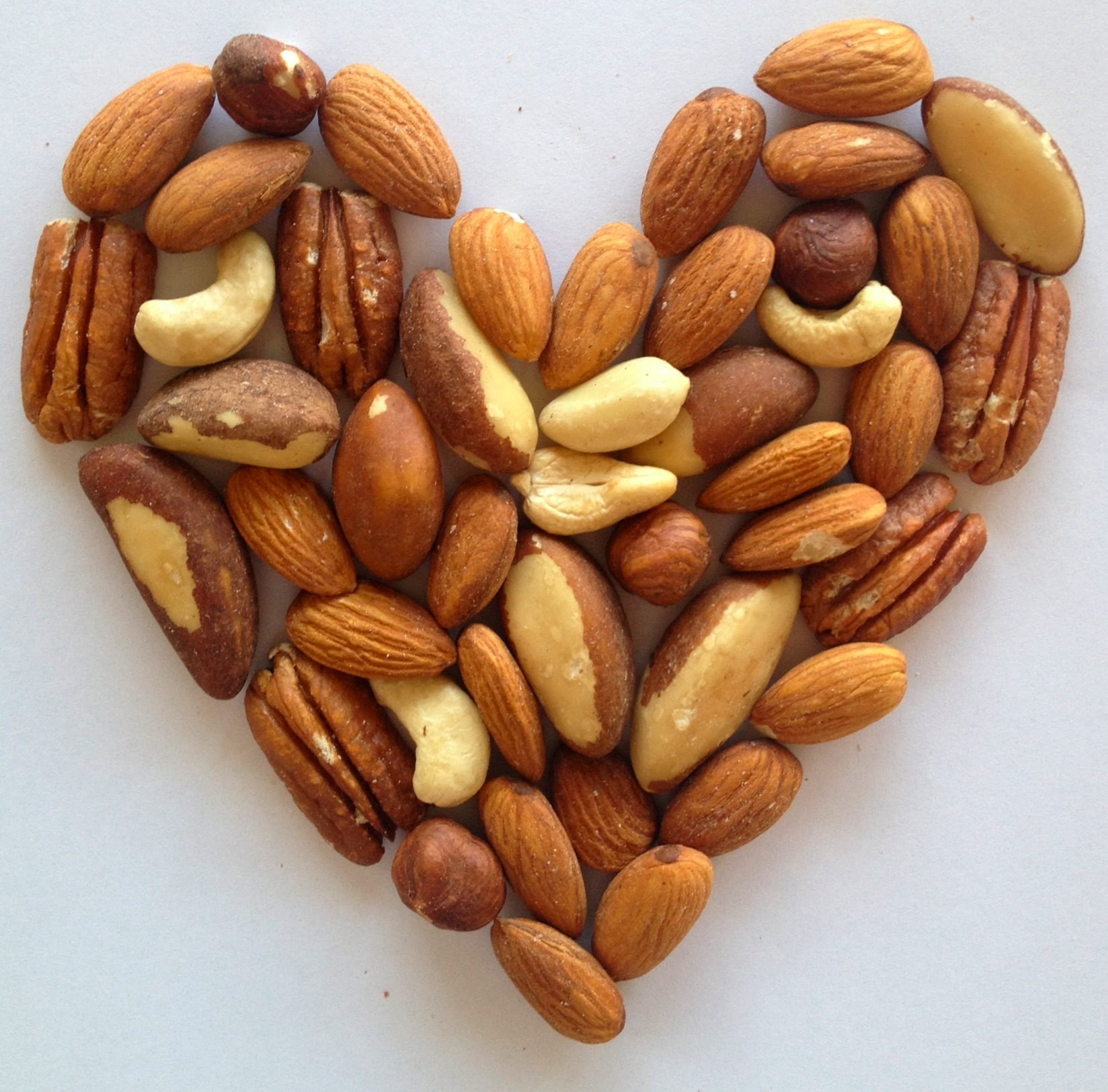 that a number of factors were linked to high nut intake, including body fat percentage, fruits and vegetable consumption, physical activity level, and avoidance of tobacco and alcohol.
But the researchers were able to neutralize the impact of these linked factors. “In all these analyses,” explained first author Dr. Ying Bao, of Brigham and Women’s Hospital, ”the more nuts people ate, the less likely they were to die over the 30-year follow-up period.”
While Bao and the others acknowledged it would be impossible to account for every single difference between those who regularly ate nuts and those who did not, they said it was “unlikely” any of those differences affected the results.
Why Health “Nuts” Live Longer
The results linked nut consumption to a total reduction in death rate across a multitude of frequently fatal chronic conditions, such as…
- Diabetes
- Cancer
- Heart disease
- Stroke
Dr. Charles Fuchs, lead author, noted, “The most obvious benefit was a reduction of 29% in deaths from heart disease, the major killer of people in America.” Fuchs and his fellow scientists believe the decline in death rates came from a combination of health benefits.
Nuts appear to promote reductions to key factors linked to the development of chronic diseases, like…
- Oxidative stress
- Adiposity (stored fat)
- Insulin resistance
- Inflammation
That last effect, reduction of inflammation, is likely responsible for nuts’ connection to an 11% decrease in your risk of dying from cancer.
Boost Immunity with Shiitake Mushrooms
Native to Asia, shiitake mushrooms are packed with vitamins and minerals and have been cultivated for thousands of years for culinary and medicinal purposes. The latest research published April 11 in the Journal of the American College of Nutrition confirms that shiitake mushrooms boost immunity.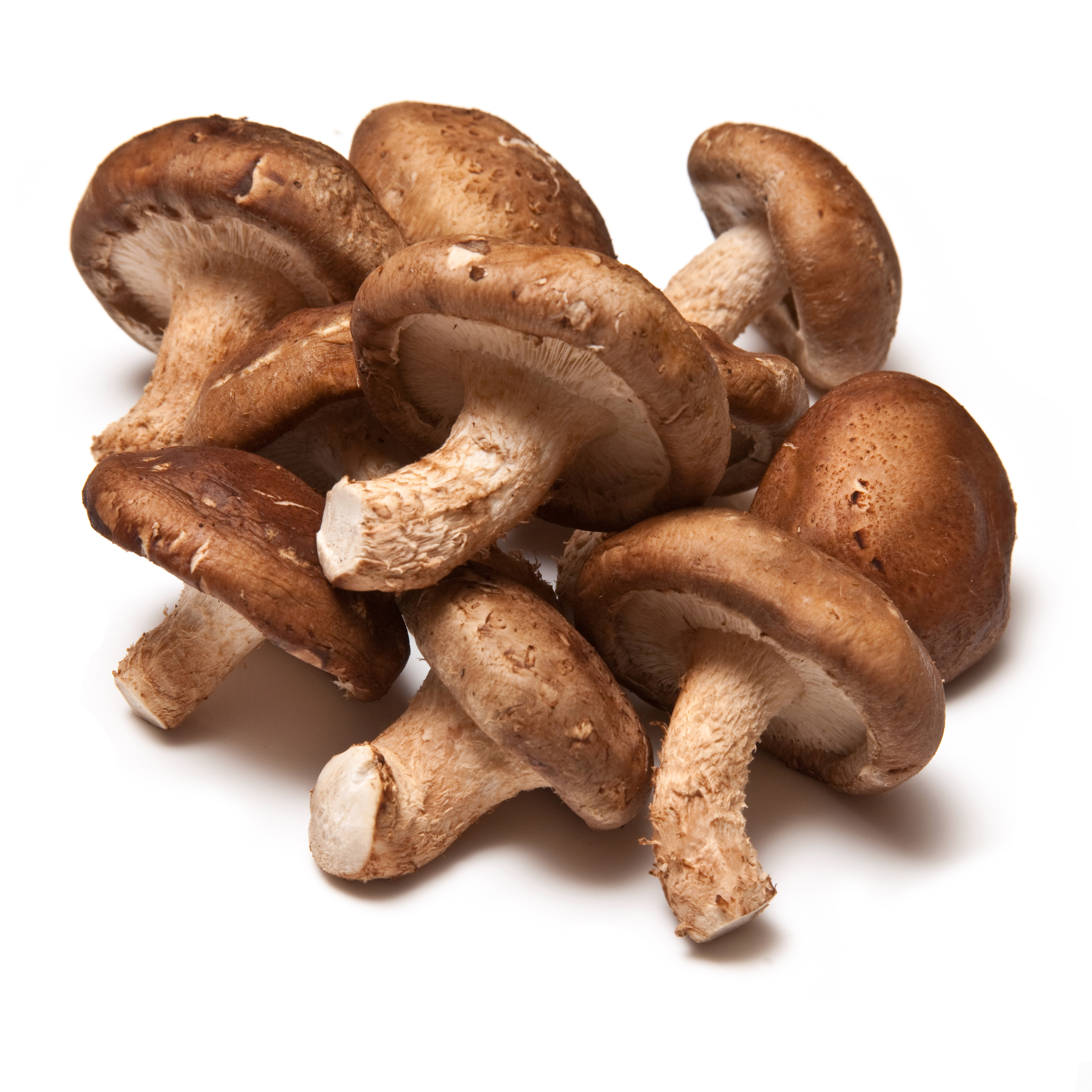
Strengthen Your Immune System with Shiitake
Researchers from the University of Florida gave 52 healthy adults between the ages of 21 and 42 a four-week supply of dried shiitake mushrooms. Participants then ate one 4-ounce serving of shiitake mushrooms every day for four straight weeks. Researchers controlled for several variables:
- No vegans are vegetarians were studied
- Subjects could not drink tea or take antioxidant vitamins or probiotics before the study
- Participants were instructed to limit alcohol to 14 or fewer glasses per week so that immune-enhancing activity wasn’t adversely impacted
- Volunteers were allowed no more than 7 servings of fruits and vegetables per day
At the end of four weeks participants displayed better gamma delta T-cells and fewer inflammatory proteins.
Lead researcher Sue Percival explains: “If you eat a shiitake mushroom every day, you could see changes in their immune system that are beneficial. We’re enhancing the immune system, but we’re also reducing the inflammation that the immune system produces.”
Fight Cancer with Shiitake
Shiitake mushrooms are also celebrated for their cancer-fighting properties. They are rich in the polysaccharide lentinan, which scientists have isolated and used to treat various cancers, including stomach cancer. In addition to its anti-tumor properties, lentinan has also been shown to protect the liver, alleviate stomach problems like gallstones and ulcers, and help treat anemia. In fact, shiitake mushrooms are one of the most bioavailable sources of iron.
In short, shiitake mushrooms are an antiviral, antibacterial,  and antifungal powerhouse that can even help protect against atherosclerosis and coronary artery disease when eaten regularly. An easy way to start adding shiitake to your diet is to use it to create a base for soups or stocks for making rice or quinoa. Add in some nuts, peppers, chicken, or tofu, along with your favorite seasonings
Only Sugar Causes Tooth Decay
Research as found that Sugar is the ONLY cause of tooth decay! I’ve always told my family this and not it’s proven.
Researchers from University College London and the London School of Hygiene & Tropical Medicine analyzed public health records from around the world, and  what they found was unequivocal: sugar, in any form, decays your teeth, which in turn erodes your health.
Tooth Decay Around the World
The study, published in BMC Health, showed that during World War II, when sugar was rationed, tooth decay in Japan was “hugely reduced.” However, once the war ended and sugar imports to Japan picked back up, tooth decay picked right back up, as well.
Also important were the findings on Nigeria, where sugar consumption is extremely minimal:
 Only 2% of Nigerians have tooth decay
92% of American adults have tooth decay
60—90% of American children have tooth decay
America is the land of sugar, after all, with the majority of sugar coming from sodas and fruit juices.
How Dental Decay Can Ruin Your Health
Tooth decay ranks among the most common non-infectious diseases in the world. It doesn’t just cause gum disease; it has a major impact on all aspects of health.
Eating a high sugar diet…
 Leaves you susceptible to yeast infectionsExacerbates arthritis and asthmaRaises triglyceride levelsIncreases your risk for obesity, hypertension, and type 2 diabetes Leaves you susceptible to yeast infectionsExacerbates arthritis and asthmaRaises triglyceride levelsIncreases your risk for obesity, hypertension, and type 2 diabetes |
Scientists believe that oral bacteria in your mouth enter into your bloodstream and attack all your major organs. Ultimately this can cause heart attack… dementia… rheumatoid arthritis… and, for pregnant women, premature birth.
For this reason, researchers are advocating for a disciplined cutback in sugar consumption. They conclude: “This means that it is now even more important to develop a radical prevention policy with a marked reduction in sugar intake since the use of fluoride on its own is insufficient to reduce substantially the burden of [cavities] over the lifetime of individual.”
They recommend limiting sugar consumption to 3% of total daily calories (which is just 60 calories out of 2000). In comparison, the World Health Organization  (WHO) suggests limiting sugar intake to 5% of total calories, with a 10% maximum.
You can measure your daily sugar intake using an online nutrient assessment tool, such as myfitnesspal.com, and then adjust your sugar consumption accordingly.
Pomegranates fight Aging and More
The bark, leaves, flowers, fruits, and seeds of the pomegranate (Punica Granatum) have a long history of use as a medicine, particularly in the Middle East, India, and China. The Chinese and South Africans use it to treat inflammation, rheumatism, irregular uterine bleeding and hemorrhaging, and abdominal pain.
In Unani medicine (a traditional practice of medicine in south-Asian countries and the Middle East), pomegranate is prescribed as a food supplement to treat diabetes. Due to its potent antimicrobial properties, pomegranate has even been used to treat intestinal worms.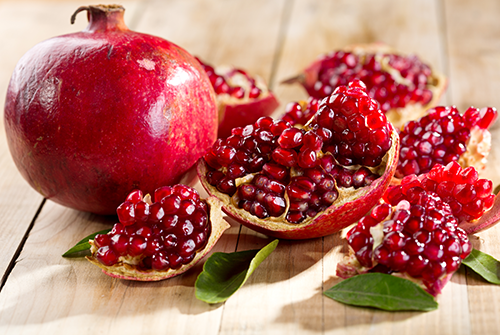
Now, research is revealing the extract’s promising antioxidant and anti-cancer potential.
Say “No” to Aging with Antioxidants
Without enough antioxidants, your body can’t fight off free radical damage, and becomes vulnerable to aging and disease. Pomegranate delivers a powerhouse helping of antioxidants when consumed internally as well as applied topically. Pomegranate’s antioxidant activity is fueled by ellagitannin compounds (punicalagins and punicalins being the standouts). It’s also packed with vitamin C—40% of the recommended daily value, in fact! These antioxidants, along with gallic acid and catechin, help accelerate wound healing, as well as repair sun-damaged, aging skin.
Experts have discovered that pomegranate increases the longevity of fibroblasts (cells responsible for collagen and elastin production). Collagen and elastin work together to give strength and support to your skin. A Medical College of Virginia study showed that the oil from pomegranate seed extract helps boost collagen production, thereby thickening both the outer and inner layers of the skin.
Other studies suggest that pomegranate seed extract may demonstrate a prohibitive influence on some forms of skin cancer. Snacking on pomegranate seeds is one way to benefit, but if you’re interested in the skin-saving benefits, seek out pomegranate seed extract oil in stand-alone form, or as an added ingredient in your skin care products.
Show No Mercy to Cancer Cells
An anti-inflammatory compound in pomegranate and pomegranate seed extract called punicic acid has been shown not only to reduce the inflammation that causes joint pain and arthritis, but also to fight cancer. A 2002 study published in Breast Cancer Research and Treatment showed that pomegranate seed extract suppressed the growth of estrogen-dependent cancer cells in culture. It also inhibited the ability of cancer cells to cross barriers and spread, and even increased apoptosis (cancer cell self-destruction).
A 2010 study in the International Journal of Oncology confirmed pomegranate’s influence on cancer cells, showing that cancer cell cultures treated with punicic acid experienced apoptosis at rates 91% higher than untreated cancer cells. Research has shown that pomegranate seed extract effects prostate cancer in the same manner. Pomegranate seed extract, along with pomegranate flower extract and pomegranate juice, has also shown promise in the treatment of colon cancer and leukemia.
Prevent Cancer doing Cardio
Adding cardio to your life offers so much more than a trimmer waistline and a healthier heart. According to recent results from German scientists, cardio is a very important step you can take to prevent cancer, diabetes and many other diseases.
Top 4 Cancer-Fighting Tips
- Keep your body mass index below 30
- Get 30 minutes of cardio exercise daily
- Eat a diet high in produce, grains and water
- Do not smoke
The German study reevaluated almost 25,000 subjects after eight years and found that those who made these four tips part of their daily life decreased their risk of disease by 78% overall and reduced their risk of cancer by 36%!
How Cardio Can Help Prevent Cancer and Other Diseases
The International Liver Congress presented research that discovered cardio drastically reduced your risk of liver cancer. Hepatocellular carcinoma (HCC) is one of the most common  cancers, claiming almost 700,000 lives per year. Patients at high-risk of developing HCC may be able to learn how to prevent cancer by adding regular exercise to their lifestyle.
Mice were given a high-fat diet and divided into separate groups. Some were made to exercise 5 days a week for one hour and the others were sedentary. 100% of the sedentary mice developed tumors while 71% of the exercising mice developed tumors. The tumors in the sedentary mice were also larger.
Duke University Medical Center discovered that women who have more cardio fitness when they are diagnosed with advanced breast cancer have a higher rate of survival compared to women with lower levels of fitness. Median survival for healthy women was more than double that of the less fit women in the study.
“Fitness level may be an important biomarker of survival among cancer patients but the beautiful thing about fitness is that we can improve it with exercise training,” explained Lee Jones, PhD. The  university plans to continue testing to more specifically discover the link between cardio-pulmonary fitness and cancer survival rates.
Cancer and the Obesity Epidemic
Simple changes to your exercise regimen are proven to prevent disease, but the majority of Americans are not following the top four cancer-fighting tips. Obesity is defined by the World Health Organization as having a body mass index (BMI) higher than 30.
Obesity in the United States is the highest in the world – as are the health problems that accompany it.
Obesity increases your risk of developing cancer, heart disease, diabetes and many other diseases and is considered a world-wide epidemic.
New York University professor of nutrition, Marion Nestle, PhD, explained, “We live in an environment that promotes overeating and sedentary behavior. People cannot make healthy choices in an unhealthy environment. The environment needs to improve in order to make it easier to do what we all know we need to do.”
Our bodies become addicted to the salt, fat and sugar added to the majority of our foods – and the food industry counts on those addictions for their bottom line.
It’s up to all of us to take control of our health.
Cardio improves your mood, boosts energy, helps you sleep better and increases libido – all while helping to prevent cancer and other serious diseases.
So take time for yourself, get moving, and learn how to prevent cancer before it starts.
Beet Juice and its Benefits
Beet Juice and Endurance
Andrew Jones, at the University of Exeter shared some interesting findings in 2011 regarding beet juice and endurance. His group performed a study of eight male cyclists, who consumed approximately two cups of beet juice, which is naturally high in nitrate. A control group consumed the same amount of currant cordial juice, which has very low levels of nitrate.
After a variety of low-intensity and high-intensity 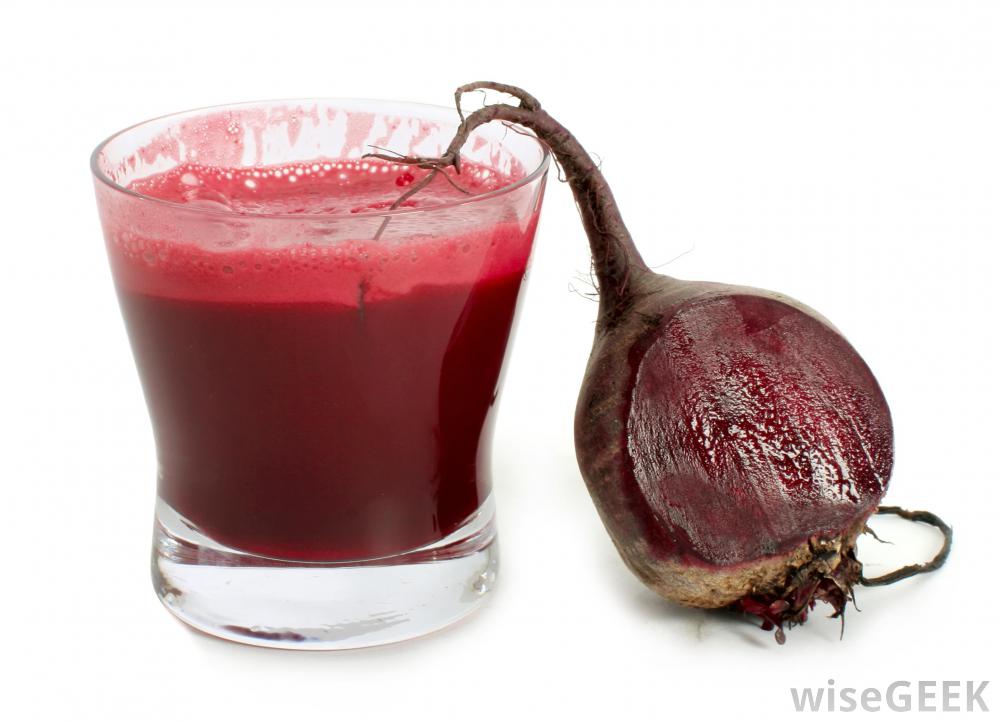 cycling tests, cyclists in the beet juice drinking group were able to cycle an average of 16 minutes longer. Findings also found these men had lower resting blood pressure. But, why is that?
Ultimately, the nitrate in beet juice is the cause of this improvement. The flow of nitrates help your mitochondria produce ATP, the fuel and energy needed for your muscles during exercise. This translates to increased oxygen uptake extending time-to-exhaustion, which allows endurance athletes to push longer and harder.
Beet Juice and Mouthwash
Now, this is where it gets even trickier. According to Active.com, “While it’s not totally clear how it works, the authors suspect that when dietary nitrate turns into nitric oxide in the body, it reduces the amount of oxygen required to perform exercise.” However, new studies by same group at Exeter have found that mouthwash may inhibit the transformation of dietary nitrate into nitric oxide.
Dietary nitrate is turned into nitric oxide through bacteria in the salivary gland, via secretion to the saliva. Because mouthwash is meant to remove oral bacteria, the most important step in this process is blocked. Without this first step, your body won’t benefit from the beet juice’s high nitrate concentration.
Beet Juice and Your Workout
While the data is very interesting, it is only the first step in learning more about the benefits of beet juice and how mouthwash can affect that. So, to see the benefits of beet juice on your performance, you can take necessary precautions until further studies are done.
In a similar study, released in the journal Hypertension, the effects of beet juice were seen almost immediately, within an hour, and were strongest after two or three hours. With this in mind, you can avoid using mouthwash before a big race, allowing the nitrate process to happen.
At the end of the day, these findings are very new and have yet to be tested against other opposing studies. However, natural beet juice is beneficial for your body in a number of other ways, such as promoting blood flow and regulation blood sugar, so seeing whether this improves your personal endurance will be beneficial regardless. While you shouldn’t count on beating your PR from beet juice alone, why not give it a shot?
Guggal – An Ancient Natural Treatment for Arthritis
If you are among the 70 million people that suffer from one of the 100 forms of arthritis, then an ancient, natural arthritis treatment from the Commiphora Mukul tree could be the answer you’ve been searching for.
Living with arthritis makes it difficult to do the things you want and need to do – even keeping you from activities you’ve done all your life. Arthritis decreases your quality of life as you battle with daily pain that can range from mild discomfort to unbearable.
Regular strength exercises and weight loss are crucial to living comfortably and alleviating some of the painful effects of arthritis. In addition, you need treatment that penetrates deeply into your affected joints and tissues – that treats the cause, not just the symptoms.
Guggul’s Active Chemicals Help Fight Arthritis Inflammation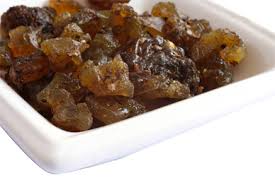
Ayurveda is known as the science of long life, a Hindu system of traditional medicine native to India. The first written records of Ayurveda date back to 600 BC and reference more than 2,000 plants for medicinal use – the majority of which are still used today!
Guggul, a sticky gum-like resin from the Mukul tree, has been used in ayurvedic medicine for millennia.
What makes Guggul so unique are its healing properties, which have been shown to reduce the pain and inflammation caused by arthritis. Guggul’s multiple active chemical compounds include gugulipid and guggulsterone, 2 powerful antioxidants that fight inflammation and stimulate your immune system’s white blood cells.
The link between inflammation and chronic diseases, such as arthritis, cancer, diabetes and neurological illness, has been studied extensively for almost 30 years. It is a scientific fact that inflammation is the root cause of arthritis!
Scientists have identified “Nuclear Factor-kappaB” (NF-kappaB) as the primary gene that determines inflammatory reactions in the body. Guggul naturally neutralizes the NF-kappaB gene to prevent, delay and treat inflammation before it gets a chance to cause disease.
There is no cure for arthritis but guggul may alleviate the worst pain-inducing symptoms so you can get your life back!
Southern California University of Health Sciences researchers found that patients with knee arthritis saw measurable improvement after one month of using guggul to reduce pain, swelling and stiffness.
How You Can Use Guggul as a Natural Arthritis Treatment
You can try this home remedy for fast-acting relief. Add ¼ teaspoon of guggul tincture (available in health food stores) to ½ teaspoon of water and drink 30 minutes before every meal, three times per day.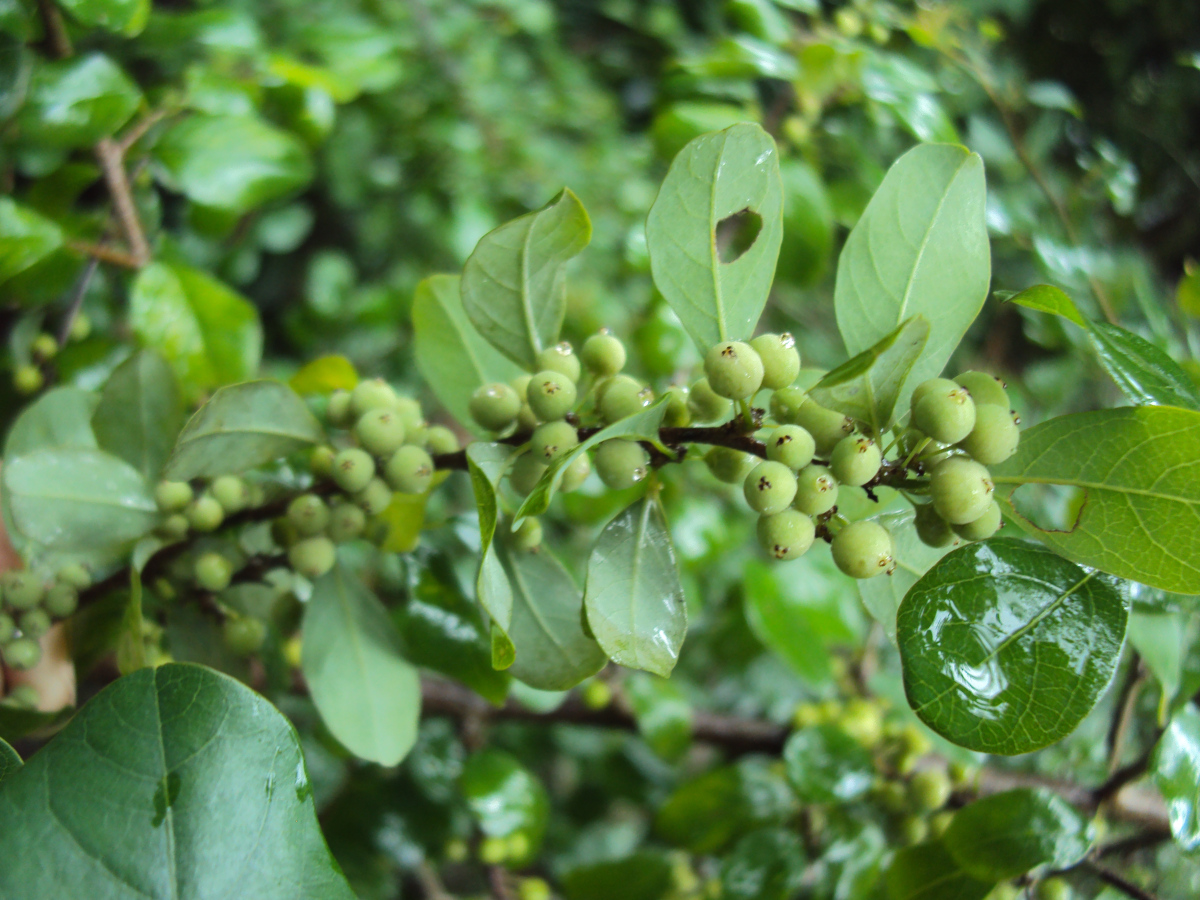
Some patients have seen positive results in as little as three days! Mississippi Baptist Health notes that the guggul found in most health food stores contains consistent amounts of guggulsterones and recommends a daily dose of 100mg. This is intended as a guideline and you should work with your doctor to determine the right dose for you.
Occasional side effects are headache and nausea. If you are currently taking prescribed medications, have liver or kidney disease, or are pregnant or nursing, you should consult your physician before using guggul as an arthritis solution.
In addition to being a natural arthritis treatment, guggul has proven effective in treating:
- Skin conditions including acne
- High cholesterol
- Neurological conditions
- Urinary tract infections
- High blood pressure
- Atherosclerosis (hardening of the arteries)
- Osteoporosis
- Gout
- And even stimulates weight loss!
If you suffer from arthritis, don’t learn to live with the pain. Stop the inflammation and swelling of your joints naturally with guggul.
How to Avoid Angioplasty or Bypass
With the rise of obesity and availability and cheapness of fast food, procedures like an angioplasty and bypass are becoming more common.
But, there are ways to avoid getting it and I found a nice graphic to share with you guys that might help.
Remember, natural remedies are always the best. Keep yourself fit and healthy from the beginning and things will never come to this.

Let me know if you guys know any good ways to keep your veins healthy and clean.
Fennel and it’s Benefits – Digestive Solution
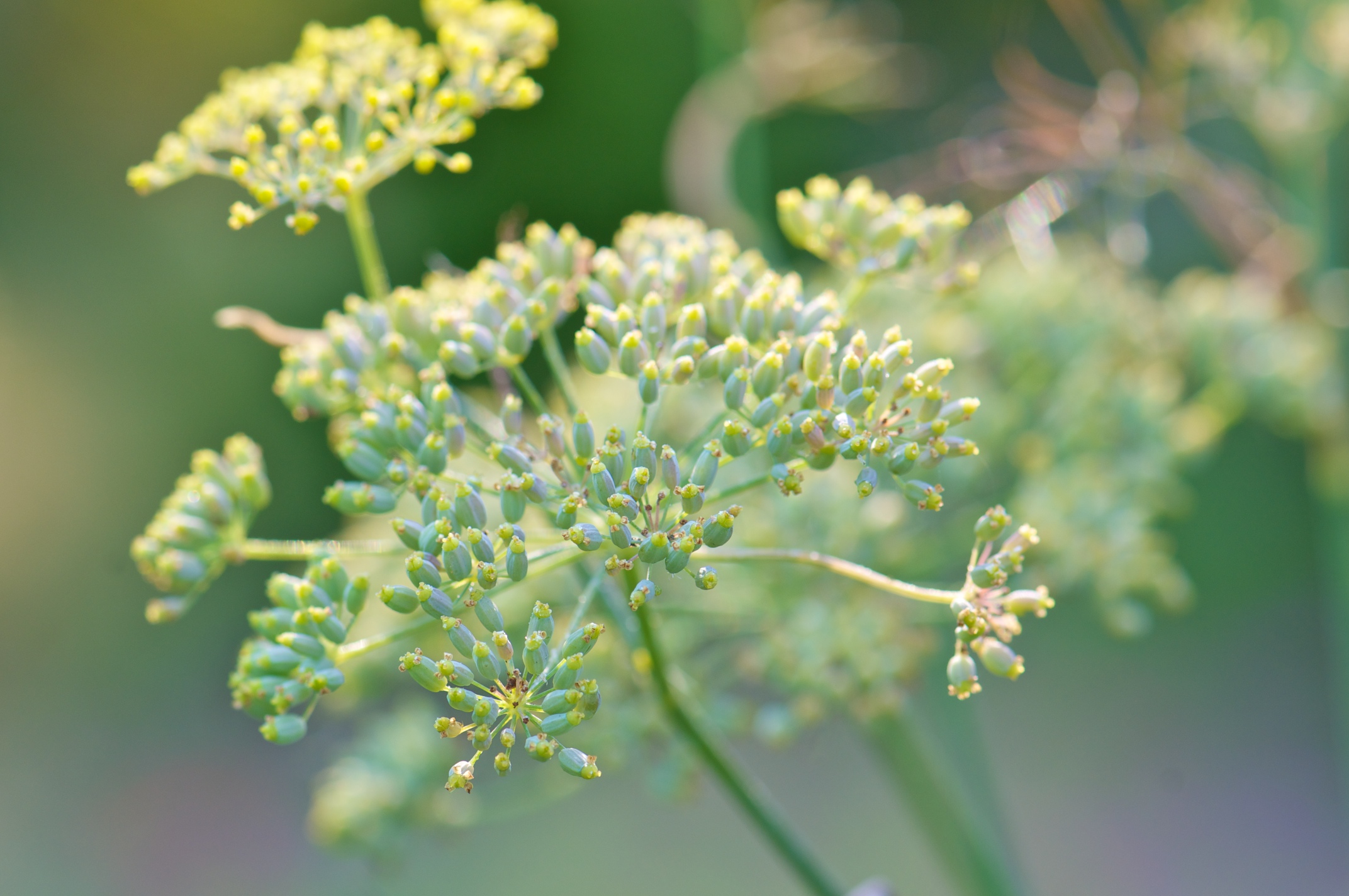 In the United States, fennel was once a widely prescribed drug for treating digestive issues. But that was before drug companies’ focus on patents and profit pushed natural remedies to the wayside.
It’s time for a fennel revival, especially if you suffer from any sort of digestive ailment—cramps, heartburn, indigestion, stomachaches, bowel irregularities, bloating, gas—you name it!
Make IBS Symptoms Vanish with Volatile Oils
Irritable Bowel Syndrome (IBS) is a gastrointestinal disorder that affects the colon. In the United States alone, IBS afflicts between 25 and 45 million people! If you or someone you know is plagued by IBS, then fennel might ease your suffering. Replete with volatile oils, fennel helps to prevent and relieve the symptoms of IBS (along with other gastrointestinal conditions) by first revving up the production of digestive enzyme secretions so that digestion kicks into gear. It also helps regulate contractions of the intestines, thereby alleviating cramps and trapped stomach gas.
Fennel contains the following volatile oils:
- Anethole
- Fenchone
- Estragole
Together, these volatile oils lend their antioxidant, anti-inflammatory, anticarcinogenic, antibacterial, and antimicrobial properties to fennel. Better yet, these volatile oils render fennel anti-spasmodic, which means regular consumption of the herb helps to relax the muscle lining of the digestive tract.
How Do You Take Your Fennel?
The higher the volatile oils, the more effective fennel is for digestion. For this reason, you might want to consider getting your fennel dose via a high volatile fennel tea.
If you’re more of a do-it-yourselfer, you may purchase crushed fennel seeds from your spice store—or whole fennel seeds that 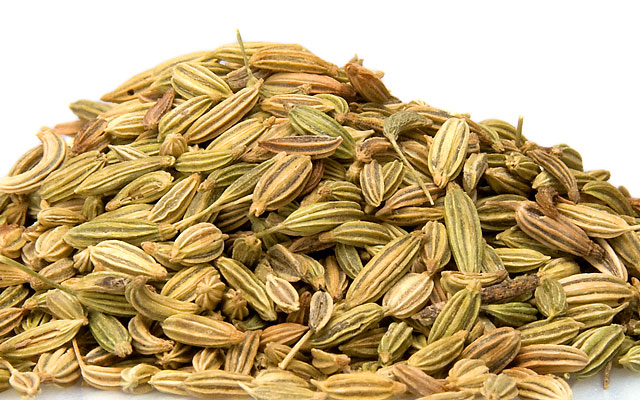 can be crushed via mortar and pestle—and then brew as a tea.
Or, you can chew on a whole fennel seed. Daily ingestion of fennel can help prevent digestive issues from flaring up, but if you’re already suffering symptoms, fennel can help solve the problem.
| Other Benefits When you add fennel to your daily diet, be on the lookout for the following health benefits (some positive side effects if ever there were any!):Detoxification—fennel is a mild diuretic and can help flush water and toxins from the body Pain relief—the anti-inflammatory properties of fennel help subdue joint pain Cold cure—fennel is a phlegm fighter, a sore throat soother, and a fever reducer Blood pressure regulator—fennel has been shown to help lower blood pressure Breath freshener—a quick fix for bad breath |
Grape Seed Oil to Reduce Cholesterol
Did you know…that 2 tablespoons of grape seed oil benefits a day helps lower LDL cholesterol?
Europeans have been using grapes, as well as their sap and leaves, to treat a variety of health conditions for 1000s of years. Grapes grabbed the attention of the West in 1991, when CBS’s “60 Minutes” reported on “The French Paradox.” How in the world are the French able to eat a high fat diet made up of cheese, chocolate and wine, and still have such low rates of cardiovascular disease?
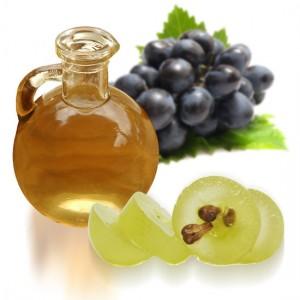 Some experts believe the answer to the riddle lies in the French people’s high consumption of red wine, known to contain heart-healthy antioxidants, such as resveratrol. And where does red wine come from? Grapes!
You can get the same cardiovascular protection from just 2 tablespoons of grape seed oil a day.
Grape Seed Oil’s Slow Rise to Fame
Grape seed oil isn’t quite as well known as its more popular counterparts, olive and canola oil. The oversight is certainly not due to lack of merit, as many experts believe grape seed oil benefits to be the healthiest oil of them all. Perhaps it is not as popular because grape seed oil is more difficult and expensive to extract than the oil of other seeds and nuts.
Even so, grape seed oil benefits won’t break the bank and makes for a wonderful all-purpose cooking oil used for baking, frying and sautéing. It has a higher smoke point than olive oil, which makes it ideal for cooking. Its light, neutral taste doesn’t compete with food’s natural flavors and is a delicious addition to salad dressings.
Grape seed oil becomes even tastier when you add all its health-enhancing properties to the mix. Studies indicate that grape seed oil benefits and grape seed extract heal a variety of health issues, including heart disease.
An Antioxidant Powerhouse
Grape seed oil is rich in antioxidants such as vitamins C and E, and beta-carotene. Antioxidants are important because they defend against free radical damage, which leads to premature aging and chronic conditions such as heart disease, cancer, diabetes and arthritis.
Of particular interest to researchers is a highly potent group of chemicals in grapes known as oligomeric proanthocyanidin complexes (OPCs). Research suggests that it may be the powerful antioxidant properties of OPCs that render grape seed oil benefits such a heart-healthy option. One study found that healthy subjects who took grape seed extract (made from the ground-up seeds of red wine grapes) daily showed increased levels of antioxidants in the blood.
Dr. Ralph Feder, author of “The Bonus Years Diet,” explains that when you cook with grape seed oil you can raise your HDL (healthy cholesterol levels) by as much as 13% and lower your LDL (unhealthy cholesterol levels) by as much as 7%.
Lower Your Cholesterol the Safe and Natural Way
If you suffer from high cholesterol, then you probably take a statin drug, which unfortunately comes with many harmful side effects. Grape seed oil delivers the same benefits, without the unwanted side effects.
In addition to a rich supply of antioxidants, grape seed oil benefits contains linoleic acid, an omega-6 essential fatty acid that makes up 76% of the fatty acid in grape seed oil. With superior anti-inflammatory properties, linoleic acid is the only essential fatty acid proven to raise HDL levels and lower LDL cholesterol levels.
High levels of LDL cholesterol threaten your heart because when LDL cholesterol oxidizes, it sticks to your arteries. This plague buildup manifests as arthrosclerosis (hardening of the arteries), a primary cause of heart attack and stroke.
Linoleic acid protects LDL cholesterol from oxidation, thereby helping your arteries stay clean so that your blood flows freely to your heart. Studies have shown that when taken as a pure extract, grape seed oil benefits can reduce LDL cholesterol oxidation by as much as 90%!
Another promising study analyzed the effects of grape seed extract, chromium, a combination of grape seed extract and chromium, or a placebo on the cholesterol levels of 40 volunteers with high cholesterol. Results showed that a combination of grape seed extract and chromium proved most effective.
Another study, made up of 24 healthy male smokers 50 years or older, found that subjects who consumed grape seed extract twice a day for 4 weeks had substantially lower LDL cholesterol levels.
- ← Previous
- 1
- 2
- 3
- 4
- Next →
 HealthyDad