Health
Beet Juice to Lower Blood Pressure
More and more evidence is showing you can’t beat the heart healthy benefits of beet juice. It provides long-lasting energy, improves circulation, lowers blood pressure, enhances oxygen uptake, and increases stamina. A new study from the American Journal of Physiology-Regulatory, Integrative and Comparative Physiology confirms that drinking beet juice regularly can improve exercise endurance.
Boost Exercise Stamina with Beet Juice
In this small-scale study 14 healthy males drank beet juice for 15 days. Scientists measured blood pressure and heart function both at rest and while the men performed progressive cycling. Results indicated that the heart required less oxygen and blood pressure was lowered.
Beet juice contains a high concentration of antioxidants and inorganic nitrates that help boost blood flow throughout the body—to the brain, heart, and muscles. It increases production of a molecule in blood vessels called nitric oxide. Nitric oxide helps the blood vessels relax and open up, thereby increasing oxygen flow to the heart and muscles so you can exercise stronger for longer.
Lower Blood Pressure with Beet Juice
Beet juice has also demonstrated a remarkable effect on blood pressure. A meta-analysis of studies from 2006-2012 showed very obvious reductions in blood pressure among the 254 people tested, especially in systolic blood pressure. When it comes to lowering blood pressure, beat juice outperforms whole beets. All it takes is one to two glasses of beet juice a day!
Acai Berry
Direct from Mother Nature’s medicine cabinet, deep in the heart of the Amazon Rainforest of Brazil, healing acai berries dangle from acai palm trees. Recognizing the curative powers of acai centuries before it was introduced to the West, the Yanomani tribe refers to the acai palm as the “Tree of Life.”
Impressed with its restorative properties, which work from the inside out, Brazilians have dubbed acai “The Beauty Berry,” and the West is finally catching on.
In his New York Times #1 bestseller, “The Perricone Promise,” celebrated nutritionist / dermatologist, Dr. Nicholas Perricone, lists acai health benefits as the #1 Superfood.
“Superfood” is the health food industry’s stamp of approval for low-calorie, antioxidant-rich foods that lower your risk for life-threatening diseases such as cancer, diabetes and heart disease.
Acai, pronounced (ah-sigh-EE), isn’t your typical antioxidant-laden fruit. It is also high in essential fatty acids, amino acids and fiber, making it perhaps the most well-rounded, edible fruit on the planet.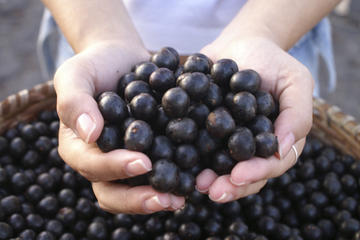
This small but mighty fruit measures approximately 1-inch long and is colored varying shades of dark purple. Made up of 90% inedible seed, acai’s 10% edible pulp packs in more grams of protein than an egg and contains 15 times the amount of antioxidants as red grapes and 30% more antioxidants than blueberries.
In fact, its ORAC (Oxygen Radical Absorbance Capacity)–the scientific measurement of a nutrient’s antioxidant magnitude–is over 3500, the highest capacity of any fruit!
The Low-Down on Antioxidants
You’ve probably heard the buzz about antioxidants, but just what are they, and what role do they play in your health?
Antioxidants are phytochemicals, vitamins and other nutrients that prevent oxidation from occurring in your body. To understand oxidation, just imagine what happens to a cut apple when it is left uncovered for a couple of hours. It begins to brown and rot. The same process happens inside your body if it is not protected by antioxidants.
What causes the oxidation? Your body produces harmful byproducts called free radicals–unstable molecules that scavenge your tissues looking for electrons to steal. In the process, healthy tissues are destroyed, leading to aging and disease.
Unfortunately, we have entered an age of free radical overload, as our bodies are also attacked from the outside in via pollution, cigarette smoke and toxins from cleaning products and herbicides.
Antioxidants interrupt this destructive cycle by volunteering one of their own electrons, satisfying the voracious free radical before it can damage your cells.
Fortifying your body with antioxidant rich foods, particularly acai berries, halts the aging process, restarting long-lasting health and protecting against the oxidative stress that triggers diseases such as cancer and heart disease.
Acai’s Unique Composition
Acai health benefits have all the typical vitamins and minerals found in popular fruits, but also contains unique, never-before-seen plant compounds. Acai contains the potent antioxidants flavonoids and anthocyanins, which are responsible for acai’s rich color and thought to be the key to acai’s remarkable restorative and preventative powers.
Scientists have still not figured out the exact makeup of this Superfood. Dr. Stephen Talcott of the University of Florida discovered 50-75 active natural molecules in acai that have yet to be classified.
The Journal of Agriculture and Food Chemistry published Talcott’s study, which showed that acai health benefits were able to trigger apoptosis (cell death) in 86% of leukemia cells tested in vitro. Talcott was realistic but hopeful, explaining, “This was only a cell-culture model and we don’t want to give anyone false hope,” Talcott said.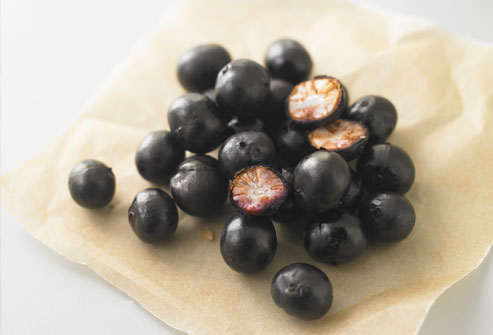
“We are encouraged by the findings, however. Compounds that show good activity against cancer cells in a model system are most likely to have beneficial effects in our bodies.”
Antioxidants alone are enough to encourage indulgence in this decadent fruit. Add omegas 3-6-9 to the mix and acai health benefits truly earns its Superfood status. This perfect balance of omegas improves the look and feel of hair, skin and nails, and reduces inflammation inside the body.
Inflammation is recognized as one of the primary causes of life-threatening illnesses, such as cardiovascular disease, Alzheimer’s and cancer.
Acai health benefits also contains a healthy dose of fiber, amino acids and carbohydrates that boost your immune system and your metabolism, thereby slowing aging and promoting longevity.
Aronia Berry – The Exotic Fruit Right At Home
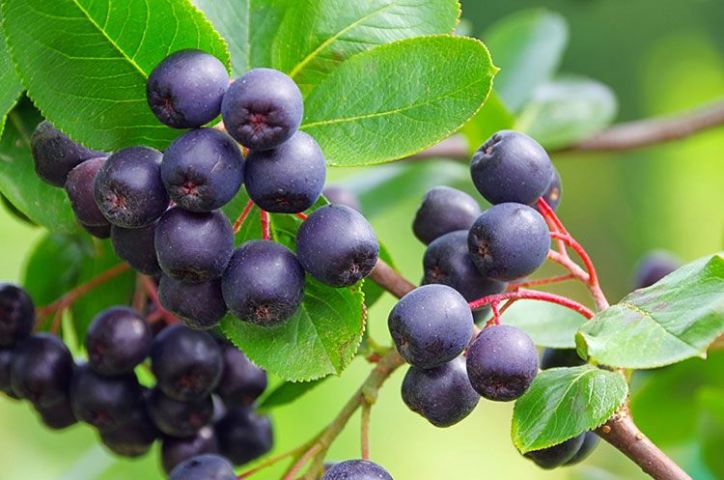 from Patagonia and the goji berry from China. These berries from around the world have all made headlines in recent years for their remarkable healing properties.
Little do most people know, however, that there is a far lesser known North American berry about to stake it’s claim as a truly remarkable super berry: Aronia.
Off the Charts Antioxidant Power!
Aronia berries are rich in anthocyanins, the substance that gives this fruit its deep shade of purple. Anthocyanins have been shown to reduce systemic inflammation and levels of C-reactive protein, a byproduct of inflammation. If left unchecked, inflammation is the spark to many chronic and life-threatening diseases, including cancer.
Aronia berries are also high in plant-based super-antioxidants called proanthocyanidins that help boost circulation by strengthening capillary walls and act as an overall tonic for the cardiovascular system.
Proanthocyanins also suppress enzyme breakdown of collagen and alleviate allergies.
Full-Body Health Benefits
The aronia berry also possesses extreme anti-bacterial, anti-viral and anti-diabetic properties… This fights arterial plague formation… reduces serum cholesterol, shields the liver and kidneys from toxins, lowers blood sugar and balances insulin production. Enriched with flavonoids, the aronia berry also protects against peptic ulcers, eye inflammation and urinary infection.
Cancer Protection
The aronia berry has shown exciting promise as an anti-cancer agent. Research suggests aronia berries may help defend against tumor formation in the bladder, breasts, colon, lungs, ovaries, and skin. Preliminary studies indicate that the berry may even slow the progression of glioblastona, a lethal form of brain cancer.
New Berry on the Block!
Aronia has been commercially cultivated in Russia since the 1940s and in  Europe since the 1950s. But it wasn’t until 2009 that the Midwest Aronia Association formed in Iowa in order to provide information and other resources to those interested in growing this super-healthy berry. Now, the Association has members in California, Illinois, Iowa, Michigan, Minnesota, Mississippi, Missouri, Nebraska, New York, North Dakota, South Dakota, Wisconsin and Ontario, Canada. This means that if you don’t already have aronia products available on your local store shelves, you should soon (and in the meantime, you can also look online for internet retailers).
When it comes to choosing a quality product, you’ll be glad to know that aronia berries are naturally pest-resistance and need no agricultural toxins. That said, you should still look for bushels stamped with the USDA organic certification label to make sure you’re benefitting from 100% pure antioxidant advantage.
Nuts Will Keep you Healthier for Longer
If scientists found a way to lower your risk of death from all causes by 20%, that discovery would be immediately broadcast on every major network, newspaper, and online information hub, right? Wrong.

In 2013, researchers form the Dana-Farber Cancer Institute, Brigham and Women’s Hospital, and the Harvard School of Public Health revealed that people who made one simple nutritional choice daily dramatically decreased their risk of death. Their findings, published in the prestigious New England Journal of Medicine (NEJM), showed that by a handful of nuts daily, individuals became 20% less likely to die from any cause over a 30-year period.
In a Nutshell: An Ounce a Day Keeps Death Away
The researchers analyzed data collected from almost 120,000 people over three decades. The information for the analysis came from the Nurses’ Health Study (conducted with 76,464 women between 1980 and 2010) and the Health Professionals’ follow-up study (which included 42,498 men from 1986 to 2010).
Participants in both studies filled out detailed food questionnaires every two to four years. Both questionnaires specifically asked participants to estimate how often they consumed a serving (one ounce) of nuts.
When analyzing the questionnaires, the researchers used sophisticated statistical tools to subtract the effect of other factors that could have beneficially impacted risk of death. They discovered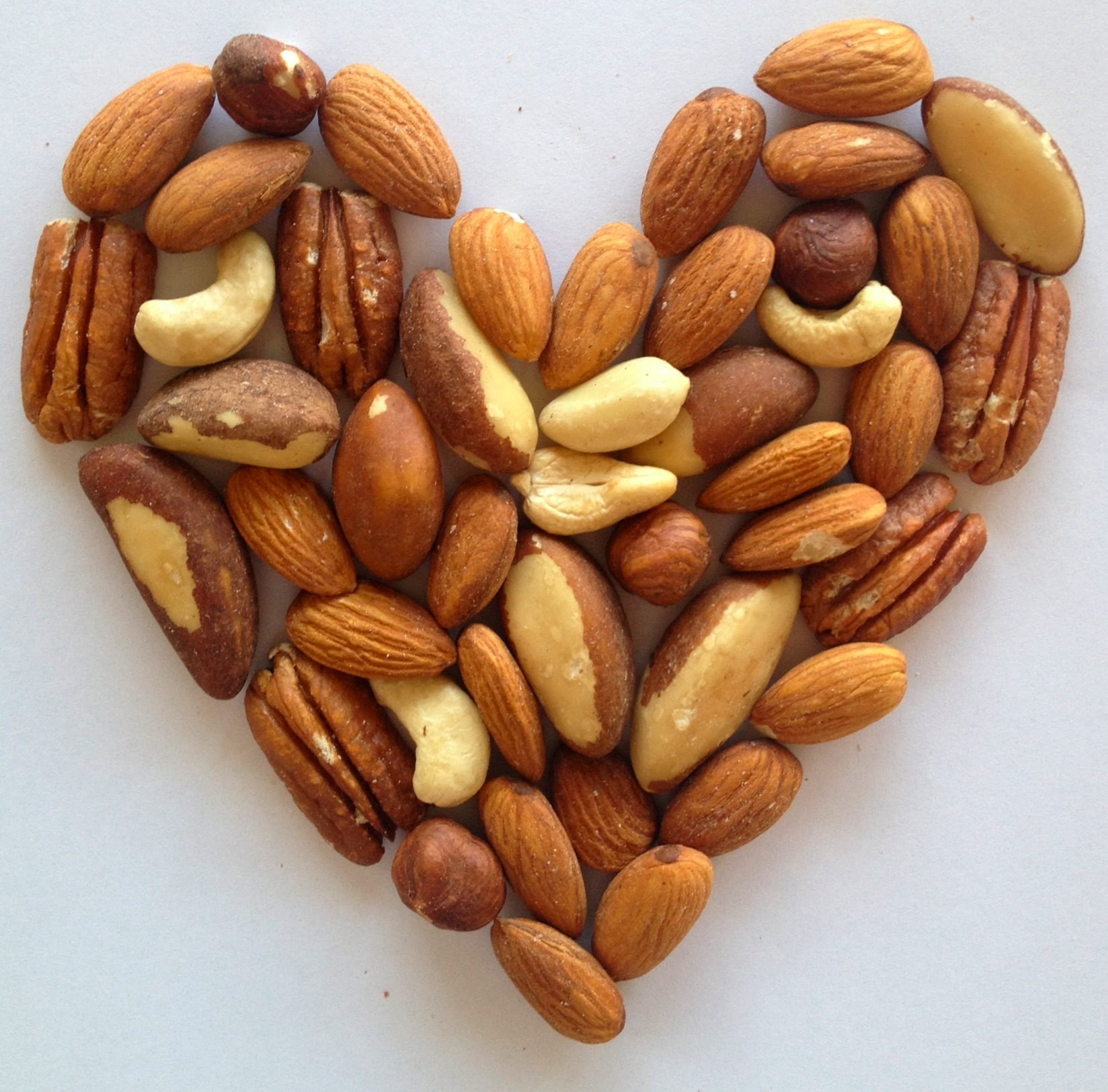 that a number of factors were linked to high nut intake, including body fat percentage, fruits and vegetable consumption, physical activity level, and avoidance of tobacco and alcohol.
But the researchers were able to neutralize the impact of these linked factors. “In all these analyses,” explained first author Dr. Ying Bao, of Brigham and Women’s Hospital, ”the more nuts people ate, the less likely they were to die over the 30-year follow-up period.”
While Bao and the others acknowledged it would be impossible to account for every single difference between those who regularly ate nuts and those who did not, they said it was “unlikely” any of those differences affected the results.
Why Health “Nuts” Live Longer
The results linked nut consumption to a total reduction in death rate across a multitude of frequently fatal chronic conditions, such as…
- Diabetes
- Cancer
- Heart disease
- Stroke
Dr. Charles Fuchs, lead author, noted, “The most obvious benefit was a reduction of 29% in deaths from heart disease, the major killer of people in America.” Fuchs and his fellow scientists believe the decline in death rates came from a combination of health benefits.
Nuts appear to promote reductions to key factors linked to the development of chronic diseases, like…
- Oxidative stress
- Adiposity (stored fat)
- Insulin resistance
- Inflammation
That last effect, reduction of inflammation, is likely responsible for nuts’ connection to an 11% decrease in your risk of dying from cancer.
Boost Immunity with Shiitake Mushrooms
Native to Asia, shiitake mushrooms are packed with vitamins and minerals and have been cultivated for thousands of years for culinary and medicinal purposes. The latest research published April 11 in the Journal of the American College of Nutrition confirms that shiitake mushrooms boost immunity.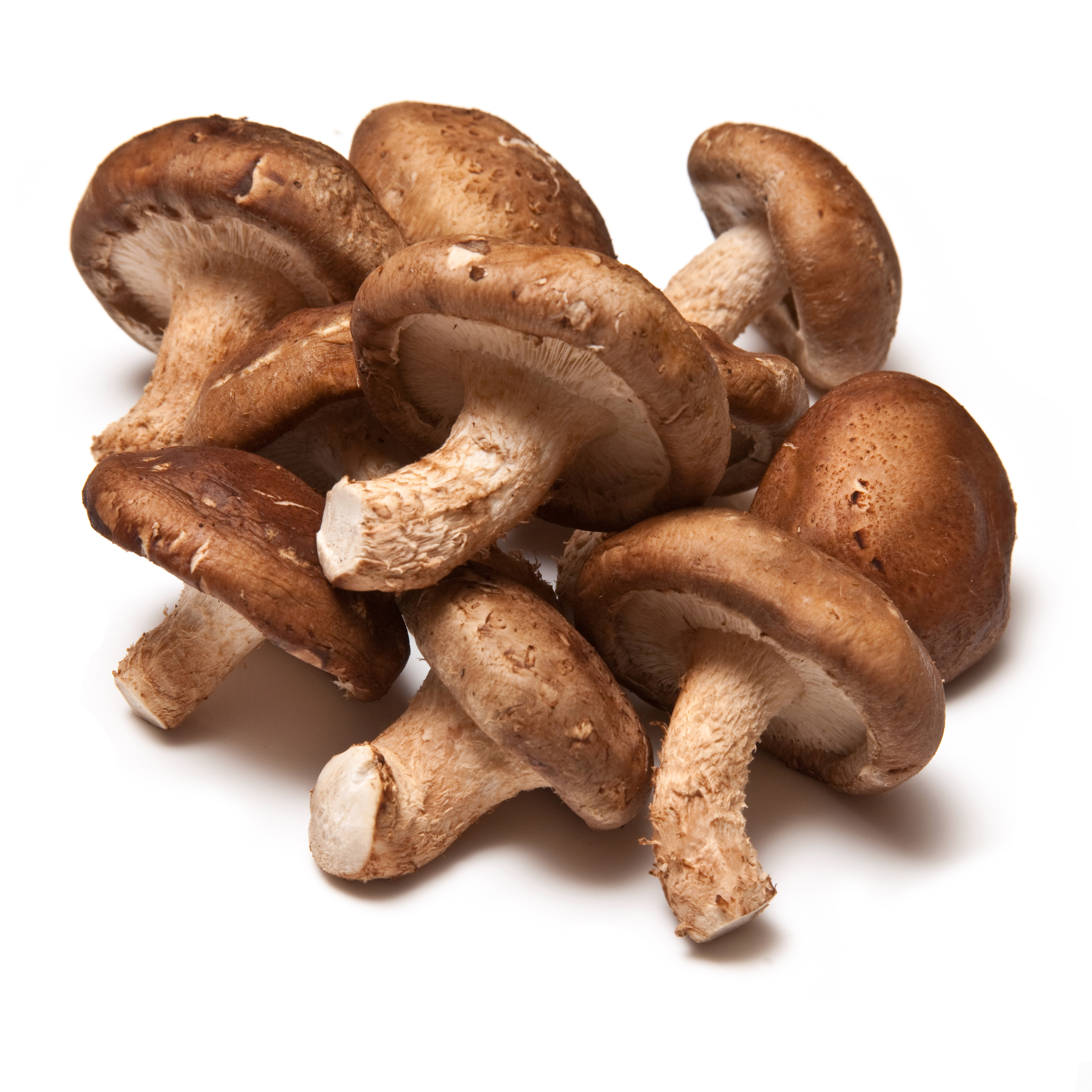
Strengthen Your Immune System with Shiitake
Researchers from the University of Florida gave 52 healthy adults between the ages of 21 and 42 a four-week supply of dried shiitake mushrooms. Participants then ate one 4-ounce serving of shiitake mushrooms every day for four straight weeks. Researchers controlled for several variables:
- No vegans are vegetarians were studied
- Subjects could not drink tea or take antioxidant vitamins or probiotics before the study
- Participants were instructed to limit alcohol to 14 or fewer glasses per week so that immune-enhancing activity wasn’t adversely impacted
- Volunteers were allowed no more than 7 servings of fruits and vegetables per day
At the end of four weeks participants displayed better gamma delta T-cells and fewer inflammatory proteins.
Lead researcher Sue Percival explains: “If you eat a shiitake mushroom every day, you could see changes in their immune system that are beneficial. We’re enhancing the immune system, but we’re also reducing the inflammation that the immune system produces.”
Fight Cancer with Shiitake
Shiitake mushrooms are also celebrated for their cancer-fighting properties. They are rich in the polysaccharide lentinan, which scientists have isolated and used to treat various cancers, including stomach cancer. In addition to its anti-tumor properties, lentinan has also been shown to protect the liver, alleviate stomach problems like gallstones and ulcers, and help treat anemia. In fact, shiitake mushrooms are one of the most bioavailable sources of iron.
In short, shiitake mushrooms are an antiviral, antibacterial,  and antifungal powerhouse that can even help protect against atherosclerosis and coronary artery disease when eaten regularly. An easy way to start adding shiitake to your diet is to use it to create a base for soups or stocks for making rice or quinoa. Add in some nuts, peppers, chicken, or tofu, along with your favorite seasonings
Only Sugar Causes Tooth Decay
Research as found that Sugar is the ONLY cause of tooth decay! I’ve always told my family this and not it’s proven.
Researchers from University College London and the London School of Hygiene & Tropical Medicine analyzed public health records from around the world, and  what they found was unequivocal: sugar, in any form, decays your teeth, which in turn erodes your health.
Tooth Decay Around the World
The study, published in BMC Health, showed that during World War II, when sugar was rationed, tooth decay in Japan was “hugely reduced.” However, once the war ended and sugar imports to Japan picked back up, tooth decay picked right back up, as well.
Also important were the findings on Nigeria, where sugar consumption is extremely minimal:
 Only 2% of Nigerians have tooth decay
92% of American adults have tooth decay
60—90% of American children have tooth decay
America is the land of sugar, after all, with the majority of sugar coming from sodas and fruit juices.
How Dental Decay Can Ruin Your Health
Tooth decay ranks among the most common non-infectious diseases in the world. It doesn’t just cause gum disease; it has a major impact on all aspects of health.
Eating a high sugar diet…
 Leaves you susceptible to yeast infectionsExacerbates arthritis and asthmaRaises triglyceride levelsIncreases your risk for obesity, hypertension, and type 2 diabetes Leaves you susceptible to yeast infectionsExacerbates arthritis and asthmaRaises triglyceride levelsIncreases your risk for obesity, hypertension, and type 2 diabetes |
Scientists believe that oral bacteria in your mouth enter into your bloodstream and attack all your major organs. Ultimately this can cause heart attack… dementia… rheumatoid arthritis… and, for pregnant women, premature birth.
For this reason, researchers are advocating for a disciplined cutback in sugar consumption. They conclude: “This means that it is now even more important to develop a radical prevention policy with a marked reduction in sugar intake since the use of fluoride on its own is insufficient to reduce substantially the burden of [cavities] over the lifetime of individual.”
They recommend limiting sugar consumption to 3% of total daily calories (which is just 60 calories out of 2000). In comparison, the World Health Organization 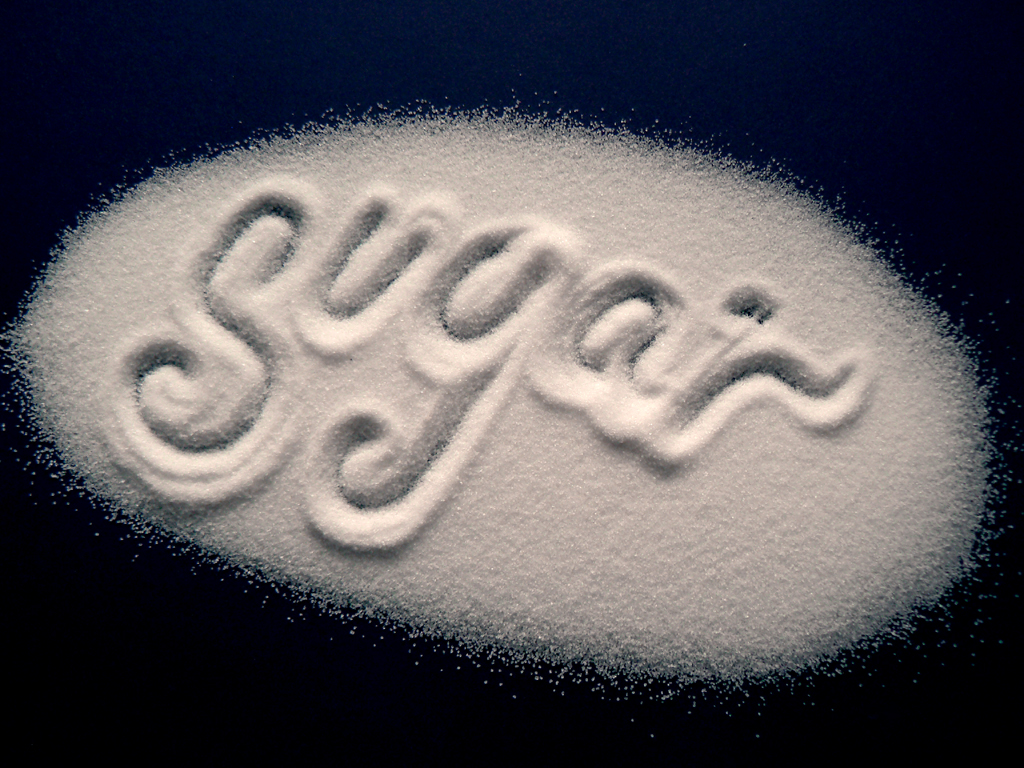 (WHO) suggests limiting sugar intake to 5% of total calories, with a 10% maximum.
You can measure your daily sugar intake using an online nutrient assessment tool, such as myfitnesspal.com, and then adjust your sugar consumption accordingly.
Pomegranates fight Aging and More
The bark, leaves, flowers, fruits, and seeds of the pomegranate (Punica Granatum) have a long history of use as a medicine, particularly in the Middle East, India, and China. The Chinese and South Africans use it to treat inflammation, rheumatism, irregular uterine bleeding and hemorrhaging, and abdominal pain.
In Unani medicine (a traditional practice of medicine in south-Asian countries and the Middle East), pomegranate is prescribed as a food supplement to treat diabetes. Due to its potent antimicrobial properties, pomegranate has even been used to treat intestinal worms.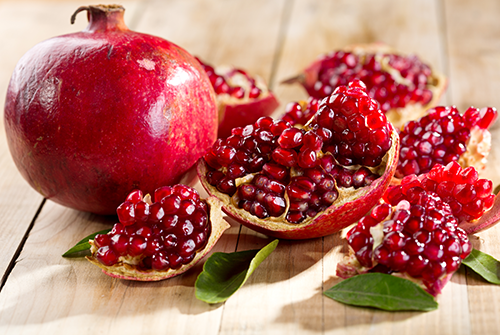
Now, research is revealing the extract’s promising antioxidant and anti-cancer potential.
Say “No” to Aging with Antioxidants
Without enough antioxidants, your body can’t fight off free radical damage, and becomes vulnerable to aging and disease. Pomegranate delivers a powerhouse helping of antioxidants when consumed internally as well as applied topically. Pomegranate’s antioxidant activity is fueled by ellagitannin compounds (punicalagins and punicalins being the standouts). It’s also packed with vitamin C—40% of the recommended daily value, in fact! These antioxidants, along with gallic acid and catechin, help accelerate wound healing, as well as repair sun-damaged, aging skin.
Experts have discovered that pomegranate increases the longevity of fibroblasts (cells responsible for collagen and elastin production). Collagen and elastin work together to give strength and support to your skin. A Medical College of Virginia study showed that the oil from pomegranate seed extract helps boost collagen production, thereby thickening both the outer and inner layers of the skin.
Other studies suggest that pomegranate seed extract may demonstrate a prohibitive influence on some forms of skin cancer. Snacking on pomegranate seeds is one way to benefit, but if you’re interested in the skin-saving benefits, seek out pomegranate seed extract oil in stand-alone form, or as an added ingredient in your skin care products.
Show No Mercy to Cancer Cells
An anti-inflammatory compound in pomegranate and pomegranate seed extract called punicic acid has been shown not only to reduce the inflammation that causes joint pain and arthritis, but also to fight cancer. A 2002 study published in Breast Cancer Research and Treatment showed that pomegranate seed extract suppressed the growth of estrogen-dependent cancer cells in culture. It also inhibited the ability of cancer cells to cross barriers and spread, and even increased apoptosis (cancer cell self-destruction).
A 2010 study in the International Journal of Oncology confirmed pomegranate’s influence on cancer cells, showing that cancer cell cultures treated with punicic acid experienced apoptosis at rates 91% higher than untreated cancer cells. Research has shown that pomegranate seed extract effects prostate cancer in the same manner. Pomegranate seed extract, along with pomegranate flower extract and pomegranate juice, has also shown promise in the treatment of colon cancer and leukemia.
Prevent Cancer doing Cardio
Adding cardio to your life offers so much more than a trimmer waistline and a healthier heart. According to recent results from German scientists, cardio is a very important step you can take to prevent cancer, diabetes and many other diseases.
Top 4 Cancer-Fighting Tips
- Keep your body mass index below 30
- Get 30 minutes of cardio exercise daily
- Eat a diet high in produce, grains and water
- Do not smoke
The German study reevaluated almost 25,000 subjects after eight years and found that those who made these four tips part of their daily life decreased their risk of disease by 78% overall and reduced their risk of cancer by 36%!
How Cardio Can Help Prevent Cancer and Other Diseases
The International Liver Congress presented research that discovered cardio drastically reduced your risk of liver cancer. Hepatocellular carcinoma (HCC) is one of the most common  cancers, claiming almost 700,000 lives per year. Patients at high-risk of developing HCC may be able to learn how to prevent cancer by adding regular exercise to their lifestyle.
Mice were given a high-fat diet and divided into separate groups. Some were made to exercise 5 days a week for one hour and the others were sedentary. 100% of the sedentary mice developed tumors while 71% of the exercising mice developed tumors. The tumors in the sedentary mice were also larger.
Duke University Medical Center discovered that women who have more cardio fitness when they are diagnosed with advanced breast cancer have a higher rate of survival compared to women with lower levels of fitness. Median survival for healthy women was more than double that of the less fit women in the study.
“Fitness level may be an important biomarker of survival among cancer patients but the beautiful thing about fitness is that we can improve it with exercise training,” explained Lee Jones, PhD. The  university plans to continue testing to more specifically discover the link between cardio-pulmonary fitness and cancer survival rates.
Cancer and the Obesity Epidemic
Simple changes to your exercise regimen are proven to prevent disease, but the majority of Americans are not following the top four cancer-fighting tips. Obesity is defined by the World Health Organization as having a body mass index (BMI) higher than 30.
Obesity in the United States is the highest in the world – as are the health problems that accompany it.
Obesity increases your risk of developing cancer, heart disease, diabetes and many other diseases and is considered a world-wide epidemic.
New York University professor of nutrition, Marion Nestle, PhD, explained, “We live in an environment that promotes overeating and sedentary behavior. People cannot make healthy choices in an unhealthy environment. The environment needs to improve in order to make it easier to do what we all know we need to do.”
Our bodies become addicted to the salt, fat and sugar added to the majority of our foods – and the food industry counts on those addictions for their bottom line.
It’s up to all of us to take control of our health.
Cardio improves your mood, boosts energy, helps you sleep better and increases libido – all while helping to prevent cancer and other serious diseases.
So take time for yourself, get moving, and learn how to prevent cancer before it starts.
How to Avoid Angioplasty or Bypass
With the rise of obesity and availability and cheapness of fast food, procedures like an angioplasty and bypass are becoming more common.
But, there are ways to avoid getting it and I found a nice graphic to share with you guys that might help.
Remember, natural remedies are always the best. Keep yourself fit and healthy from the beginning and things will never come to this.

Let me know if you guys know any good ways to keep your veins healthy and clean.
Fennel and it’s Benefits – Digestive Solution
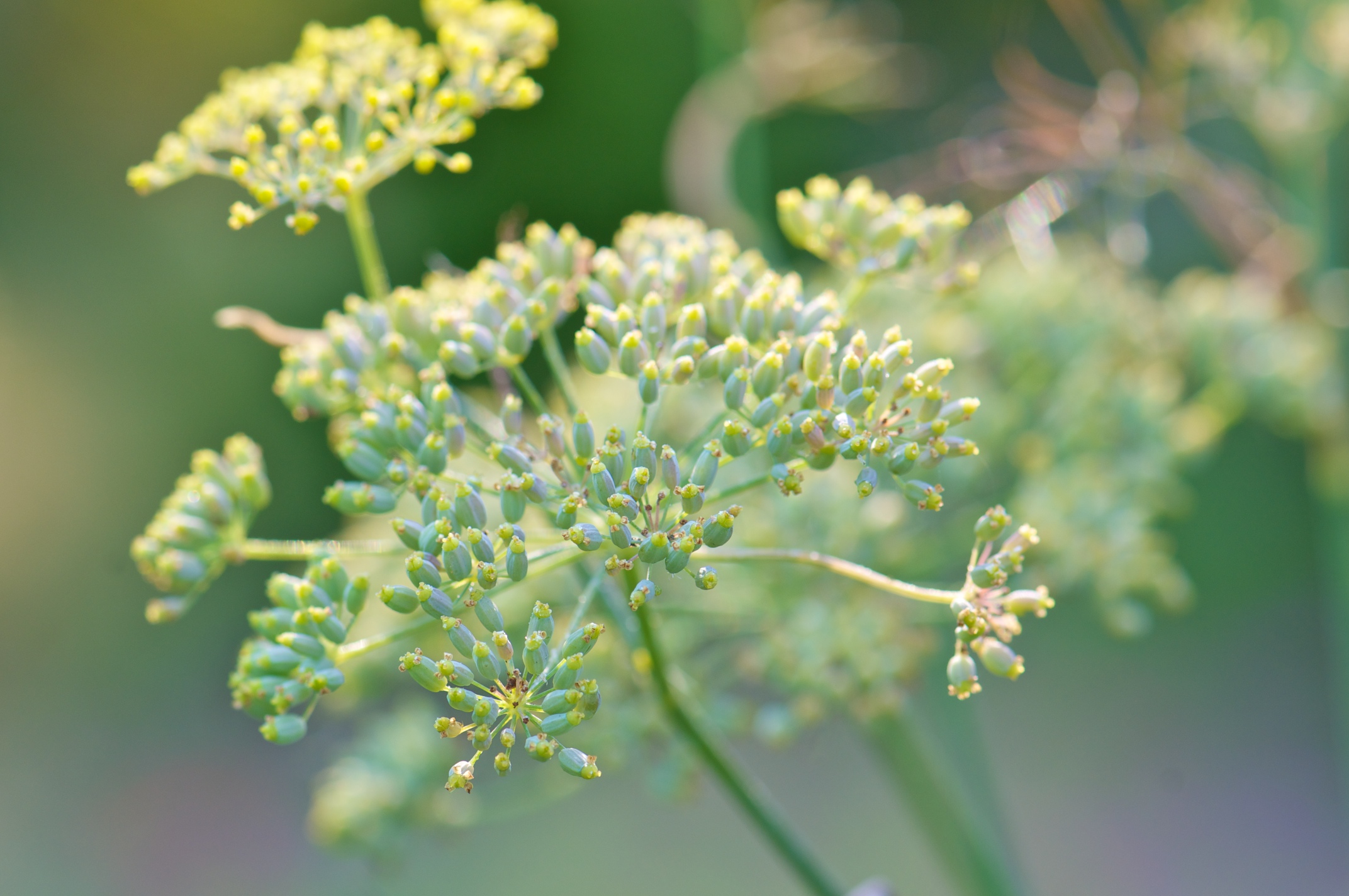 In the United States, fennel was once a widely prescribed drug for treating digestive issues. But that was before drug companies’ focus on patents and profit pushed natural remedies to the wayside.
It’s time for a fennel revival, especially if you suffer from any sort of digestive ailment—cramps, heartburn, indigestion, stomachaches, bowel irregularities, bloating, gas—you name it!
Make IBS Symptoms Vanish with Volatile Oils
Irritable Bowel Syndrome (IBS) is a gastrointestinal disorder that affects the colon. In the United States alone, IBS afflicts between 25 and 45 million people! If you or someone you know is plagued by IBS, then fennel might ease your suffering. Replete with volatile oils, fennel helps to prevent and relieve the symptoms of IBS (along with other gastrointestinal conditions) by first revving up the production of digestive enzyme secretions so that digestion kicks into gear. It also helps regulate contractions of the intestines, thereby alleviating cramps and trapped stomach gas.
Fennel contains the following volatile oils:
- Anethole
- Fenchone
- Estragole
Together, these volatile oils lend their antioxidant, anti-inflammatory, anticarcinogenic, antibacterial, and antimicrobial properties to fennel. Better yet, these volatile oils render fennel anti-spasmodic, which means regular consumption of the herb helps to relax the muscle lining of the digestive tract.
How Do You Take Your Fennel?
The higher the volatile oils, the more effective fennel is for digestion. For this reason, you might want to consider getting your fennel dose via a high volatile fennel tea.
If you’re more of a do-it-yourselfer, you may purchase crushed fennel seeds from your spice store—or whole fennel seeds that 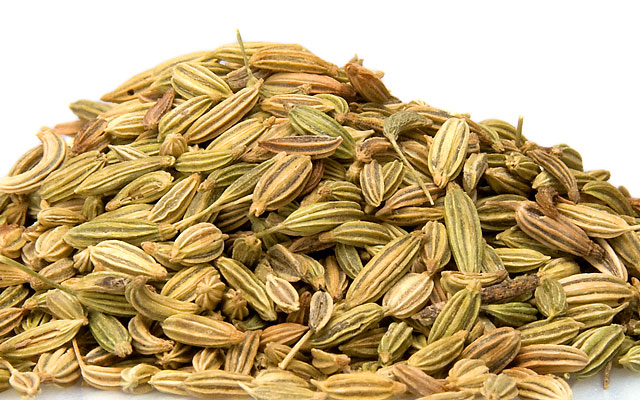 can be crushed via mortar and pestle—and then brew as a tea.
Or, you can chew on a whole fennel seed. Daily ingestion of fennel can help prevent digestive issues from flaring up, but if you’re already suffering symptoms, fennel can help solve the problem.
| Other Benefits When you add fennel to your daily diet, be on the lookout for the following health benefits (some positive side effects if ever there were any!):Detoxification—fennel is a mild diuretic and can help flush water and toxins from the body Pain relief—the anti-inflammatory properties of fennel help subdue joint pain Cold cure—fennel is a phlegm fighter, a sore throat soother, and a fever reducer Blood pressure regulator—fennel has been shown to help lower blood pressure Breath freshener—a quick fix for bad breath |
- ← Previous
- 1
- 2
- 3
- 4
- Next →
 HealthyDad